Comparing Artificial Studio to Higgsfield AI

Higgsfield AI is a platform for AI video and image creation. Artificial Studio does that and much more. Creators and businesses use Artificial Studio to generate multimedia content — images, videos, music, avatars, 3D objects, marketing assets, and interactive media — all from a single unified AI platform.

No credit card required
AI Avatar Maker

Discover why teams prefer Artificial Studio over Higgsfield AI

No graphic & marketing design tools

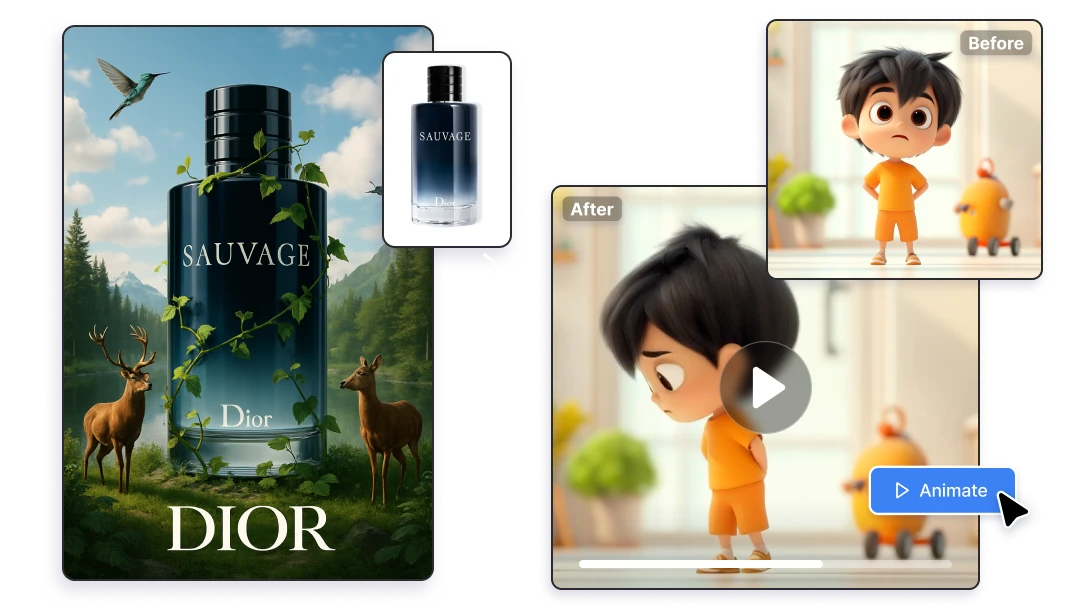
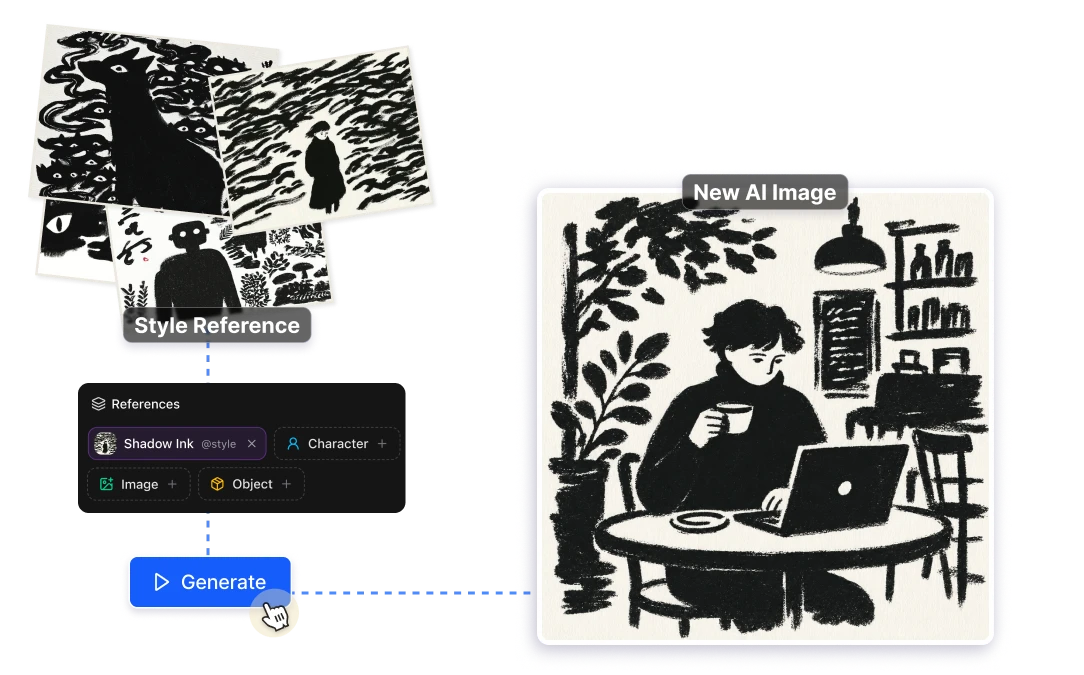
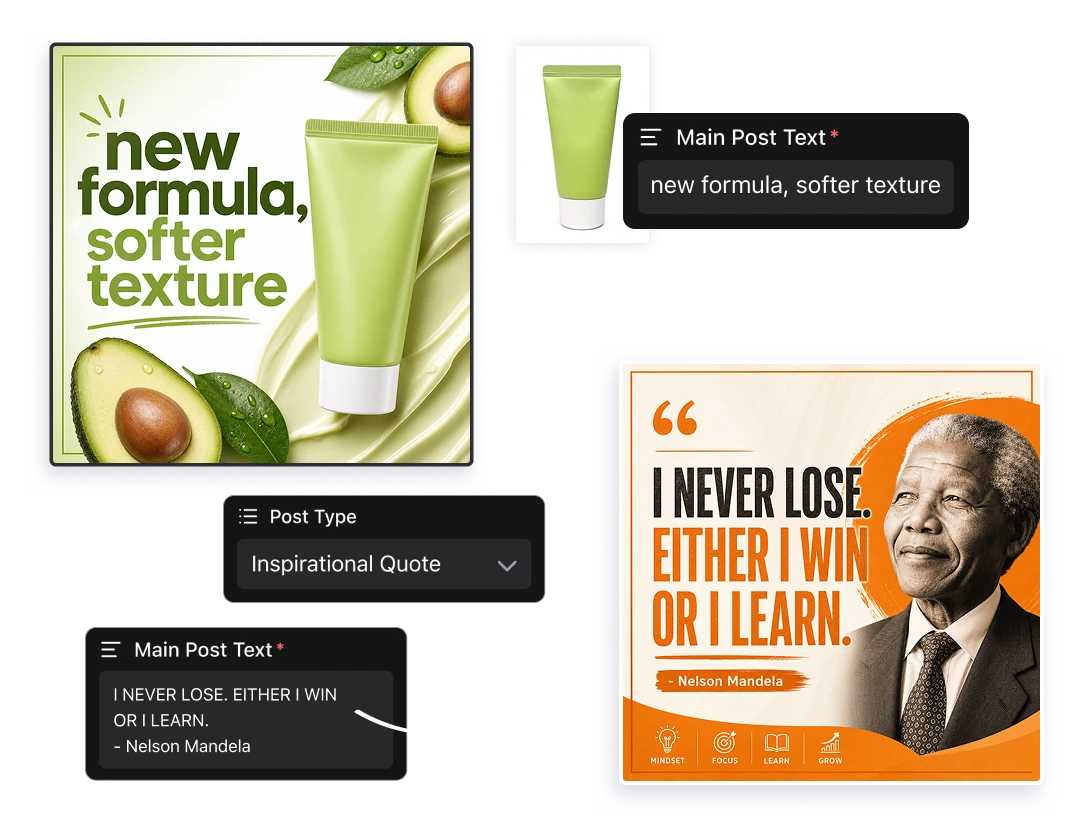
Artificial Studio extends image capabilities in ways that Higgsfield does not. Our platform includes Image to SVG and SVG Creator (vector generation), depth maps and image reframing, AI clothes try-on, face-to-sticker tools, emoji generators, social media post generators, product ad creator, logos, mockups, event poster creator or even YouTube thumbnails. These features go beyond basic image generation and support real design workflows that Higgsfield does not provide. While Higgsfield offers strong editing and visual effects tools, it does not include these design-focused generative utilities. For creators who need to deliver polished, ready-to-publish marketing assets, Higgsfield it's not the best option because adds time and cost to every project. Artificial Studio includes a full marketing and design toolkit.

No audio tools

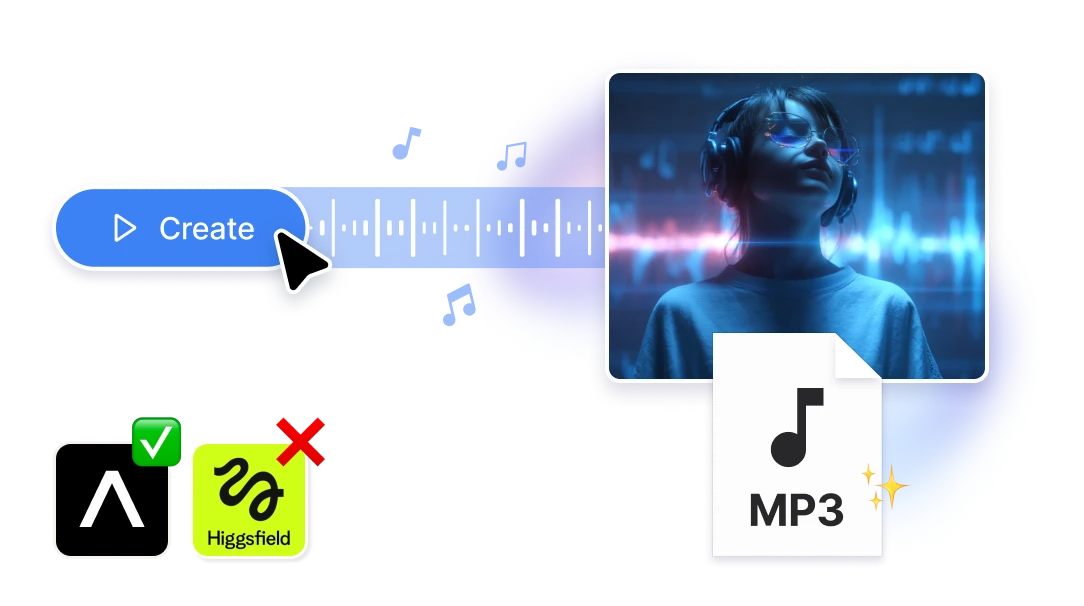
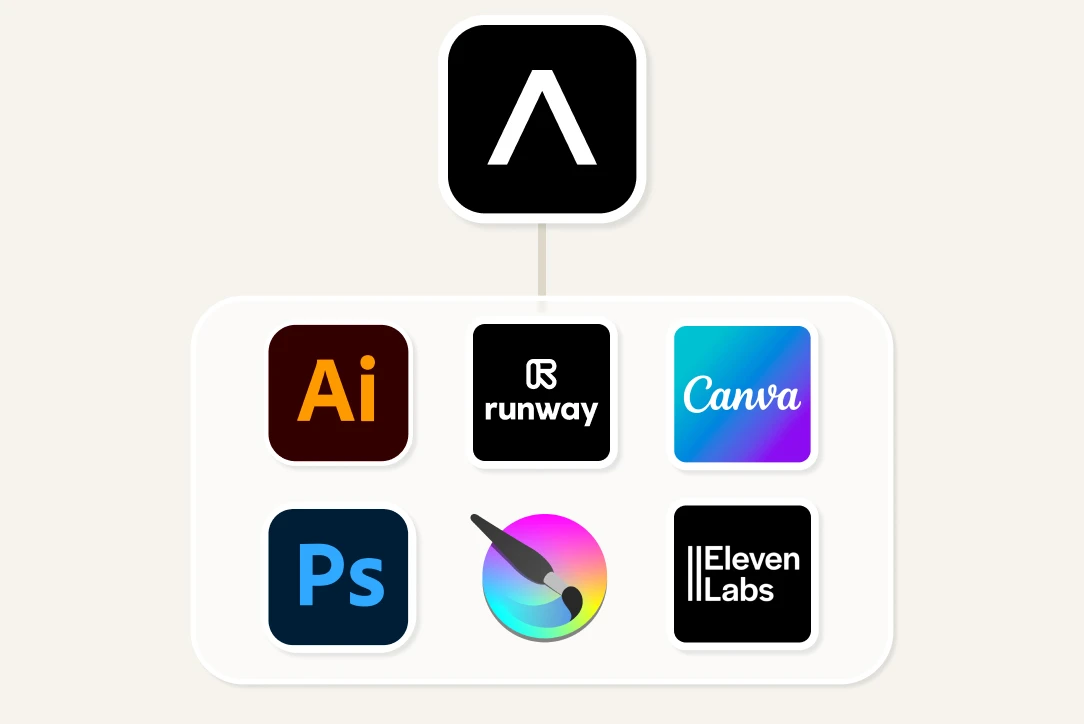
Artificial Studio includes multiple media modality tools for audio creation and manipulation that don’t appear in Higgsfield: like Text to Speech, Music Creator, Drum Generator, Sound Effects tools, or even Song Splitter (extract instruments). Also text and language-based features are absent from Higgsfield’s main interface, like Artificial Studio's tools Audio-to-Text transcription and Audio subtitles generator. These are not part of Higgsfield’s core feature set, which is centered on visuals and motion generation only. Higgsfield AI users are forced to subscribe to separate tools like Suno, Udio, ElevenLabs, and additional platforms for sound effects. That's multiple extra subscriptions and a fragmented creative workflow.

Limited video editing tools

Higgsfield provides advanced motion/visual effects and generation models (Veo, Sora, Kling, etc.) but it does not prominently list text-driven video editing steps, background removal, language translation, or integrated sync tools in the core tool interface. But Artificial Studio’s video suite includes: Video Background Remover, video Upscaler, Character replacement, Video-to-Audio sync, Video translation with voice preservation and even Extend & Edit video by text prompts! These are workflow-focused features beyond simple generation and motion control. Higgsfield provides motion control and cinematic generation models but workflow-focused editing tools are not prominently available within the platform. Artificial Studio’s platform goes beyond generation — it supports editing, enhancement, adaptation, and localization inside the same platform. That means creators can refine, translate, upscale, and modify videos without exporting to additional tools.

ArtificialStudio gets compared to Higgsfield AI, a lot

Tool Sprawl vs. One Unified Platform
Higgsfield delivers image and video but it does not cover the full workflow. When you need background music, voiceovers or branding assets, you’re forced to rely on additional platforms. That means multiple subscriptions and disconnected interfaces. Artificial Studio eliminates that sprawl. With 50+ AI tools covering image generation, video editing, audio production and marketing assets — all under one subscription — teams can start and finish a project without leaving the platform.
No 3D object generation
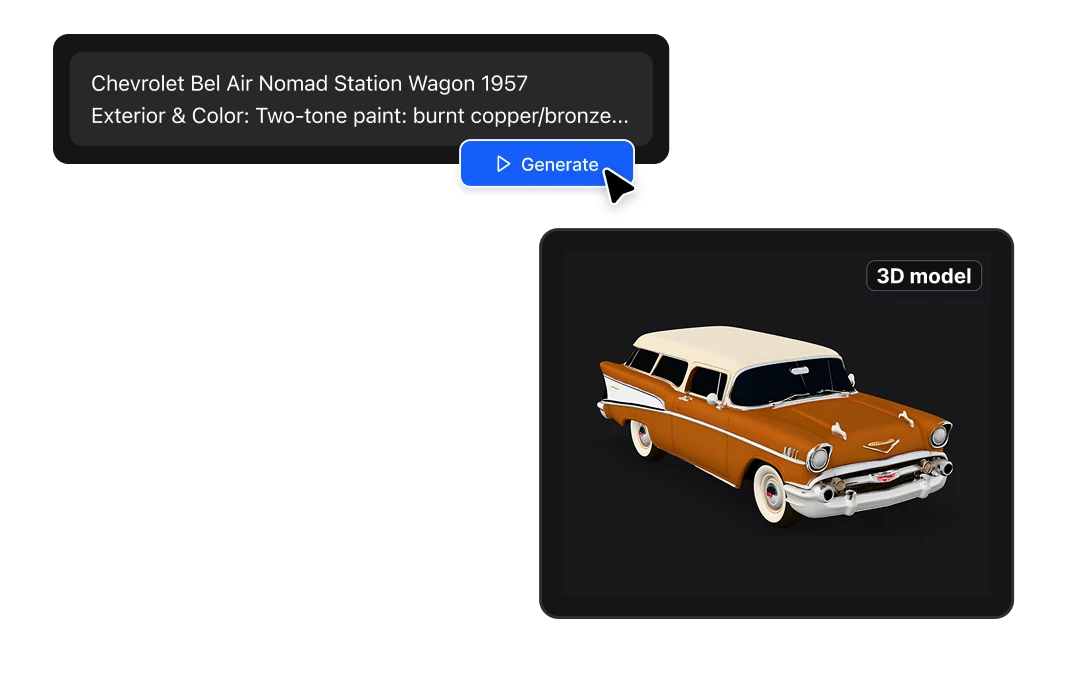
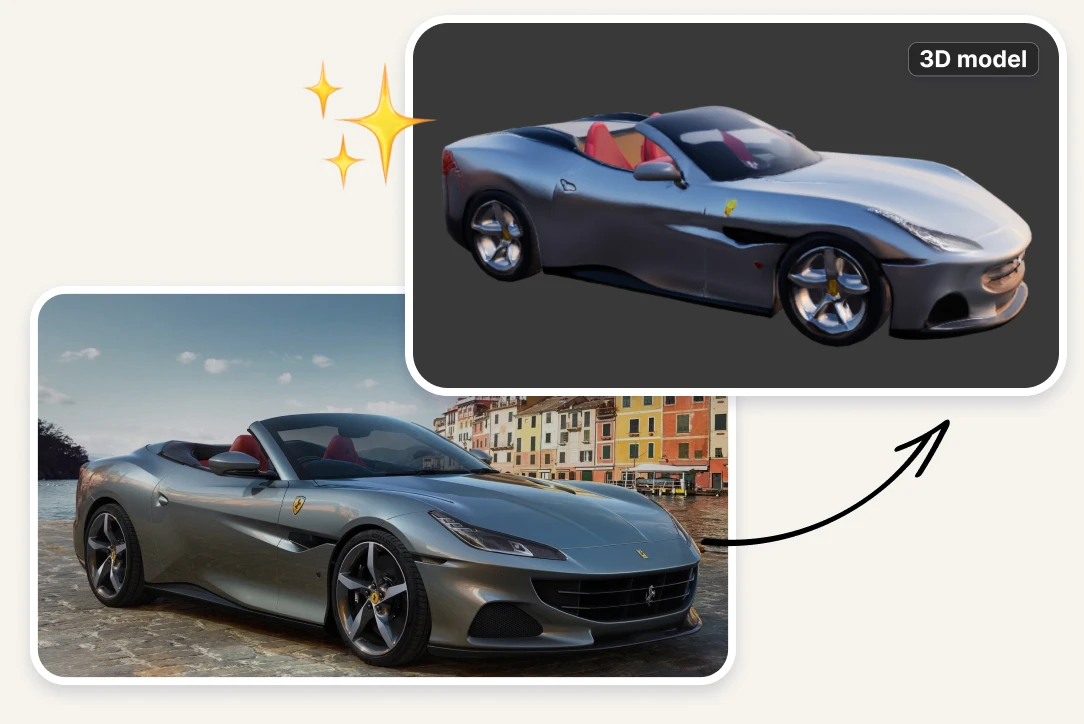
Higgsfield is primarily focused on 2D media generation but it does not offer native 3D object generation from 2D images as a core feature. Artificial Studio, by contrast, includes image-to-3D asset generation tools. This can be exported and refined in softwares like Blender. Image-to-3D tools enable rapid prototyping, faster asset creation for games and interactive applications, product visualization for e-commerce and AR/VR experiences.
It does not have a well-documented API
Higgsfield AI does have an API but it’s developer-oriented, limited in scope, and primarily focused on core image/video generation models. Documentation isn't broadly published, and appears oriented around basic media generation and model access, rather than a broad enterprise integration stack with deep workflow tools. Sometimes the AI community report confusion or limited clarity around authentication and usage documentation.

FAQs

Higgsfield AI is a generative AI platform focused on creating cinematic video and image content. It offers tools for text-to-video and image-to-video generation, motion control, visual effects, and social media-ready content workflows. Its interface is optimized for creative professionals and marketers looking to produce short, high-impact visual content.
Artificial Studio is a broader creative platform that covers not only video and image generation but also audio production, text tools, design asset creation, 3D object generation, and marketing workflows. This means users can produce complete multi-format projects — including vectors, marketing graphics, full audio mixes, subtitles, and 3D exports — all inside one platform. By contrast, Higgsfield primarily focuses on visual media generation.
Higgsfield currently does not publicly offer an official API or comprehensive developer documentation, so there are no widely supported endpoints or SDKs for programmatic access and workflow automation outside its user interface.
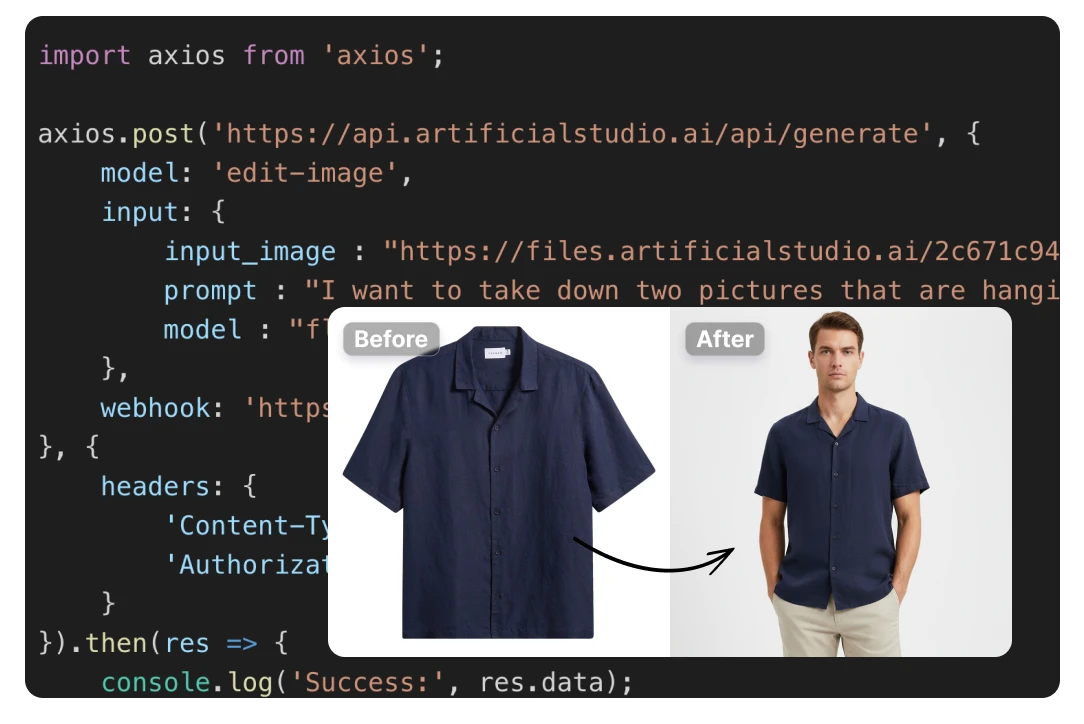
Yes. Artificial Studio provides a documented API that gives developers access to the full suite of creative tools — from image, video, audio, and design generation to workflow automation. This allows agencies and developers to embed AI creative capabilities directly into apps, products, or automated pipelines. (based on docs.artificialstudio.ai)
Artificial Studio supports all major content types: text, images, video, audio, music, vector graphics, 3D objects, and marketing design assets (like logos, social posts, thumbnails, and posters). This makes it suitable for end-to-end creative production, from idea to publish-ready output. (based on docs.artificialstudio.ai)
Higgsfield is focused on video and image generation and does not natively include music creation, text-to-speech, voiceover tools, sound effects, or audio-to-text transcription within its platform. Users needing those capabilities must rely on separate specialized tools.
Creators often explore multiple options for AI video and media generation, including platforms like ArtificialStudio.ai, Runway, Synthesia, and other AI content suites that provide integrated workflows. Many teams choose tools that combine visual media with audio, text, and design features to streamline production.
Creators choose Artificial Studio when they want a single platform for complete creative production — from concept to finished asset — without subscribing to multiple tools. Artificial Studio’s multi-modal capabilities reduce tool fragmentation, support multi-format outputs, and enable workflows that include audio, design, vectors, 3D, and video all under one subscription.
Yes. Artificial Studio offers image-to-SVG conversion and dedicated vector creation tools that help designers produce scalable graphics and workflow-ready assets — features not currently available in Higgsfield.
Marketing teams, content studios, game developers, product designers, audio producers, and digital agencies benefit from Artificial Studio’s multi-modal creative stack, which supports end-to-end asset generation and simplifies publishing workflows.
Higgsfield AI's Pro plan starts at $29.4/mo billed annually and covers image and video generation. However, covering Higgsfield's gaps — audio, design tools, marketing assets — requires subscribing to additional platforms like Suno (~$10/month), ElevenLabs (~$22/month), and Canva Pro (~$15/month), bringing the total to $80–$90+/month across multiple tools. Artificial Studio's Pro plan is $23.17/mo billed annually covers all of those capabilities in a single subscription, plus animation, 3D, music, video, depth map, everything! making it significantly more cost-effective for creators who need to produce content across formats.

Related topics